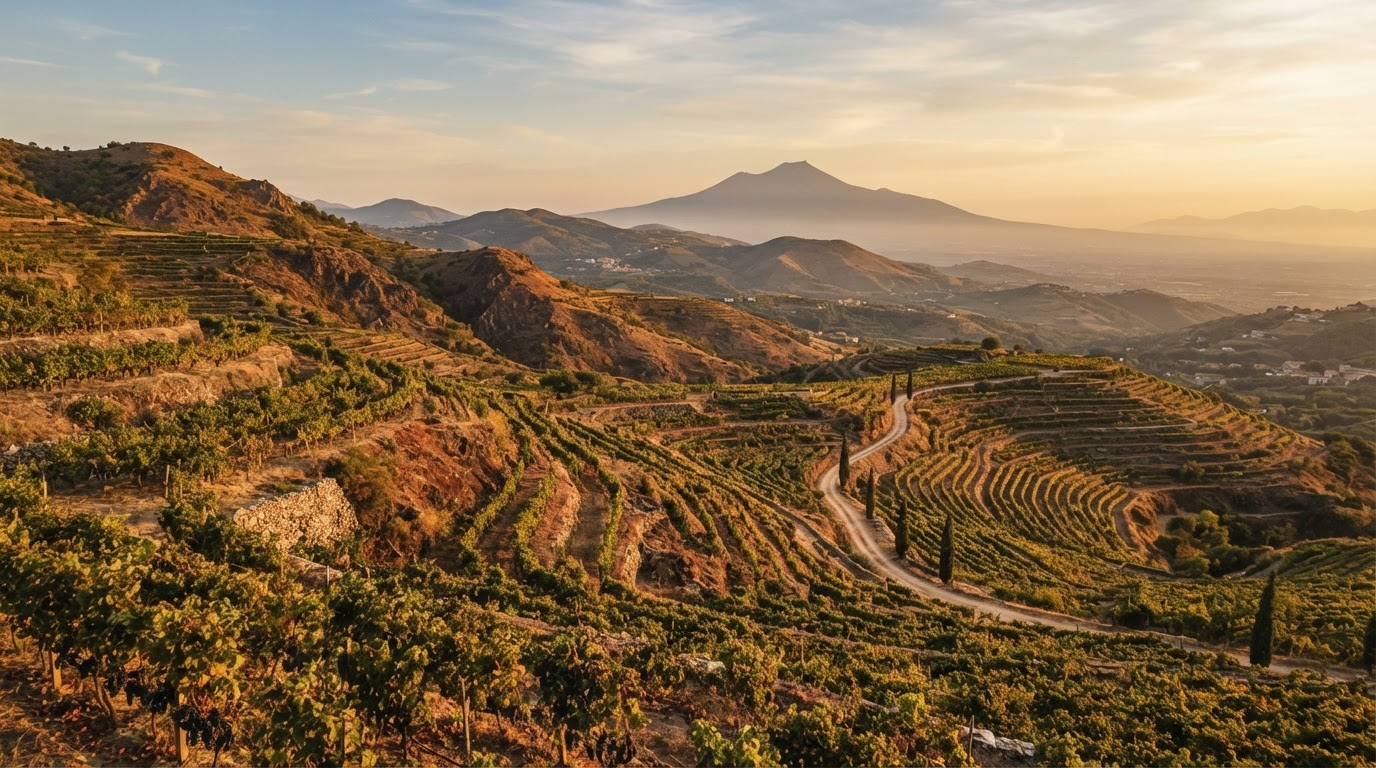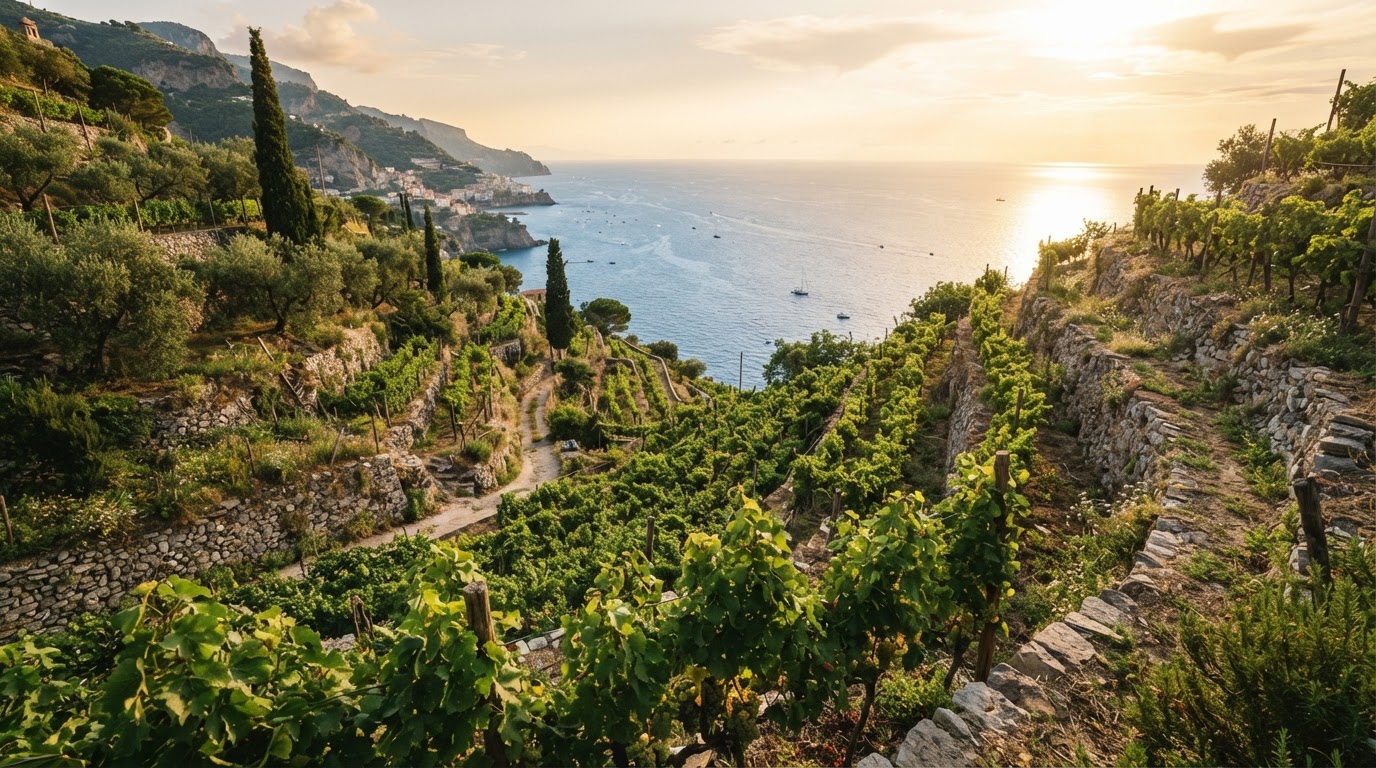
Aglianico is said to have arrived in southern Italy with the Greeks, nearly three thousand years ago. Whether or not that lineage is literal, the grape behaves like an ancient survivor: thick-skinned, high in acid and tannin, and in no hurry whatsoever to be drunk.
Why it earns the nickname
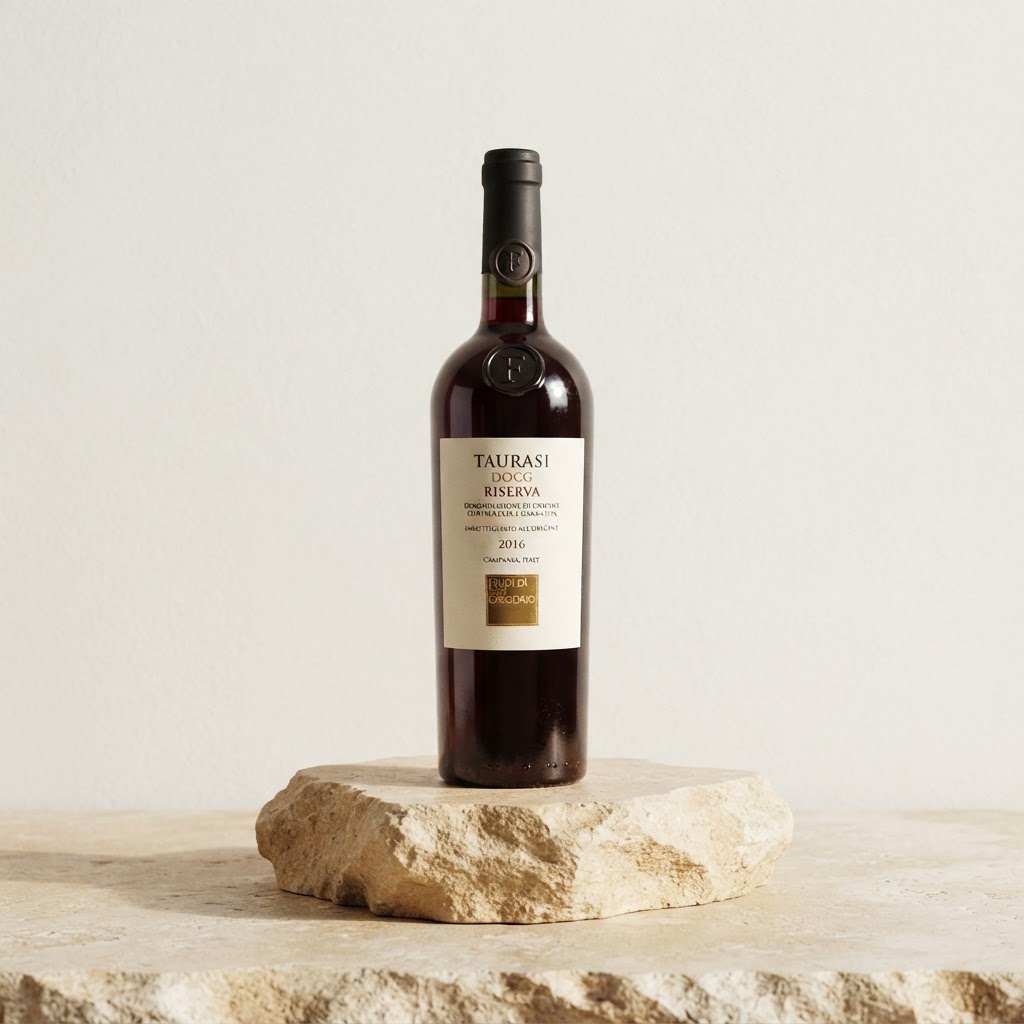
In Irpinia, on the volcanic clay above Atripalda, Aglianico becomes Taurasi DOCG — a wine aged a minimum of three years before release, much of it in Slavonian oak casks. The structure and ageing potential invite the comparison with Barolo, and the best vintages genuinely belong in that conversation. The Mastroberardino 'Radici' Riserva is the benchmark; we have been pouring the 2016 at our own table since we first tasted it from cask in 2018.
Aglianico is a patient grape. We give Radici more than thirty months in oak and a further year in bottle before release — it is a wine built to outlive us.
How to serve it
- Decant for a good hour, particularly in the first five years after release.
- Pour at 16–18°C — slightly below British room temperature.
- Use a large Burgundy balloon to gather the violet and tobacco aromatics.
- If you can, lay a bottle down. Aglianico rewards patience more than any red we import.
Aglianico also turns up on the limestone slopes of Taburno, north of Benevento, where the same grape makes one of Italy's only DOCG rosatos — a wine that deserves to be taken far more seriously than the word rosé usually allows.